A front-facing medium close-up webcam/live streaming shot of a gamer girl sitting at a bedroom desk bathed in cozy pink and rose neon lighting. Under cool-toned lighting in soft bubblegum pink and hot pink hues, subtle screen glow wraps around her face. She is wearing a cat-ear-shaped gaming headset with a microphone. Her makeup features large, sparkling eyes, soft rose pink blush, faint freckles, sharp eyeliner, and a doll-like overall aesthetic. She is dressed in an oversized neon pink sweater with layered silver necklaces, wearing black knit gloves with long black nails. She is holding a pastel pink game controller while lightly touching her hair or headset with one hand, lips slightly parted, gazing at the camera with a dreamy yet slightly tired expression. The background features pink LED lighting, cute shelf decorations, posters, shimmering pink heart ornaments, pink-toned gamer aesthetics, and a live streaming overlay with chat comments and a 'LIVE' indicator — all coming together to create a cozy, cute neon pink cyber vibe.
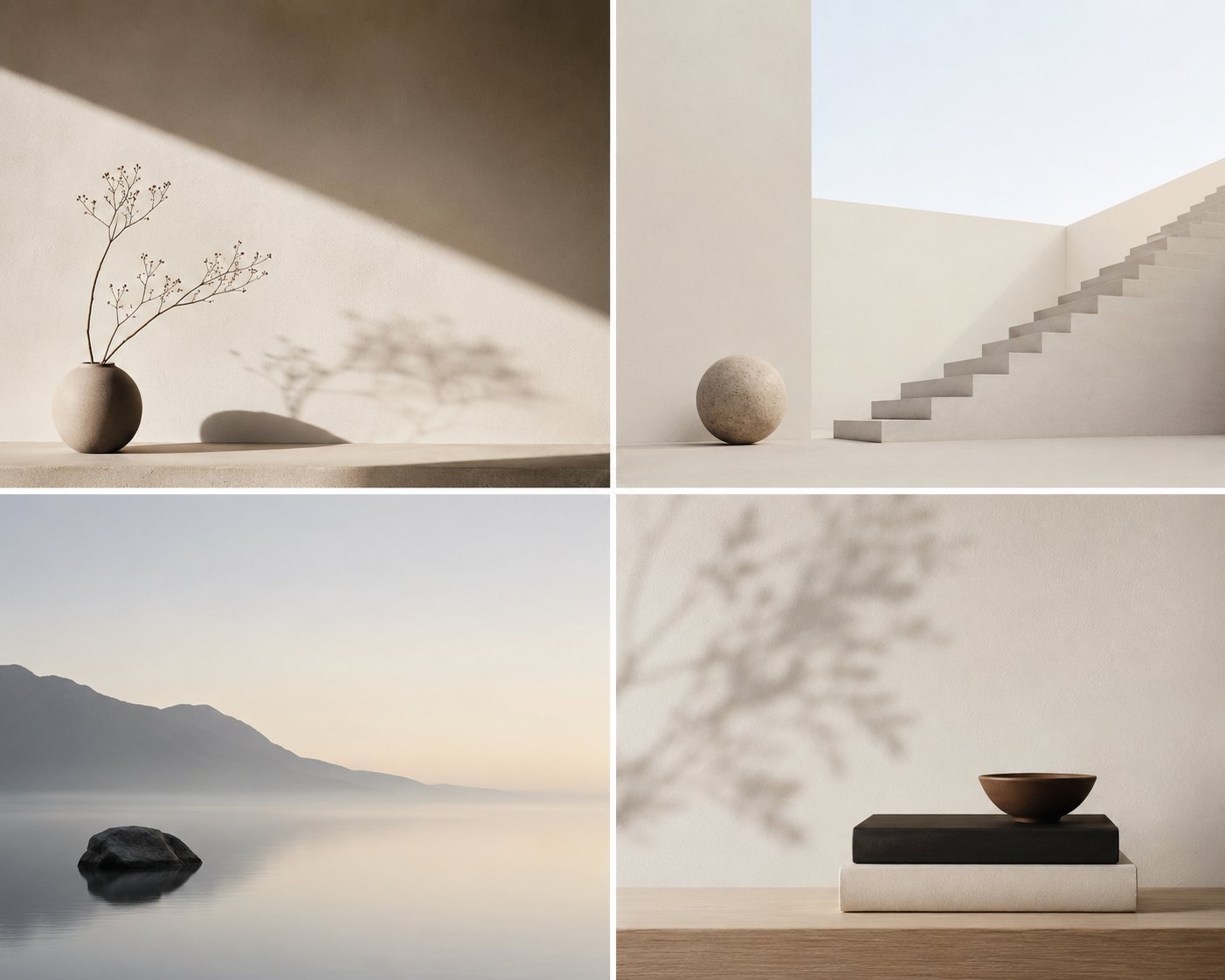
Perfect for modern design and conceptual projects, this prompt creates serene and balanced minimalist scenes. These visuals use clean compositions, negative space, and subtle textures to evoke calmness and sophistication.
A medium low-angle shot of a joyful young woman with dark hair and straight bangs, smiling brightly against a vibrant, clear blue sky. She wears a white graphic t-shirt featuring three landscape panels. In her right hand, she holds up a clear plastic cup filled with bright orange juice, featuring a white hand-drawn doodle of a smiley face on the side. Whimsical, hand-drawn white digital doodles are overlaid around her: stylized headphones rest around her neck, musical notes and stars float above her head, and glowing white motion outlines trace her silhouette. Bright, natural daylight evenly illuminates the scene, enhancing the playful, energetic pop-art aesthetic. --ar 4:5
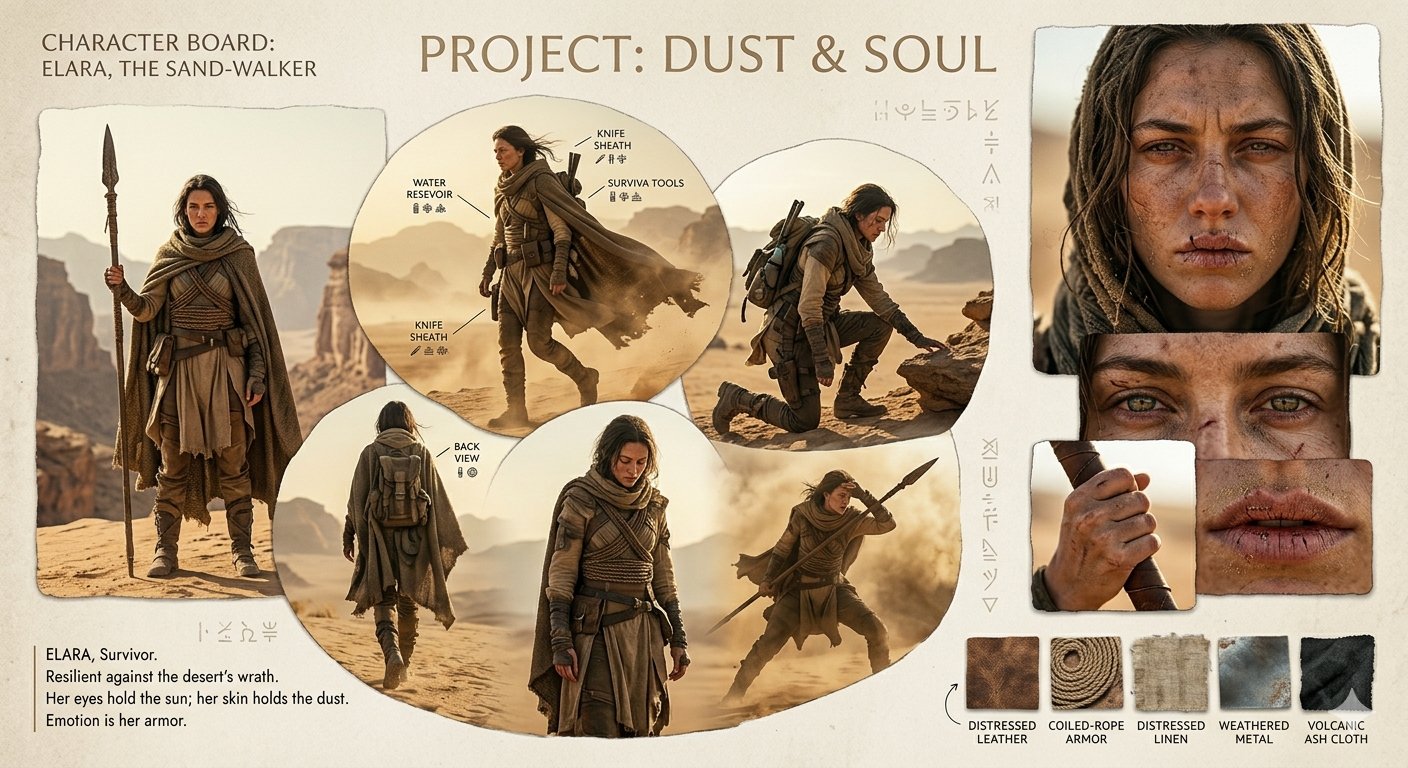
An epic desert-world cinematic character board with monumental scale and atmospheric realism. Warm golden dust storms, harsh sunlight, layered shadows, and textured earth-tone fabrics dominate the frame. Full-body turnaround arranged organically like a luxury film pitch document, paired with intimate close-up portraits showing cracked lips, sand particles, weathered skin, and emotional intensity. Minimal typography, symbolic markings, tactical costume breakdowns, and realistic material studies. Ultra realistic cinematography inspired by prestige sci-fi epics.
上个星期 Google I/O 的大会上,DeepMind CEO Demis Hassabis 上台说了一句话:”我们正站在奇点的 foothills(山麓)。”奇点嘛,就是那个 AI 智能超过人类、世界被彻底改变的理论时刻。听起来挺玄的。
但仔细看他说这话的语境,就有点意思了。当时台上在讲 Google 的 AI 科研工具,重点展示了一段视频——用 WeatherNext(Google 的天气预报 AI)提前预警了去年 Hurricane Melissa 在牙买加的灾难性登陆,可能救了不少人。这确实是了不起的成就,但它跟”奇点”还差得远呢。
Demis Hassabis 在 Google I/O 2026 上讲述 AI for Science 的新方向(图源:MIT Technology Review)
两条路线的分歧
这件事其实暴露了 Google 在”AI for Science”上的两条路线之争。一条是做专门的科研工具——比如 WeatherNext 预测天气、AlphaFold 预测蛋白质结构、AlphaGenome 做基因研究——这些工具针对特定科学问题设计,效果扎实,已经被全世界 300 多万研究人员在用。
另一条路线更有野心:做出能自主做科研的 AI 智能体。不需要人类一步一步指导,AI 自己就能提出假设、设计实验、得出结论。这就是今年 Google I/O 上发布的 Gemini for Science 包背后的逻辑——把好几个基于大语言模型的科研系统整合到一个品牌下面。
“我们正朝着这样的 AI 前进:它不只是辅助科学研究,而是开始自己做科学。”——Pushmeet Kohli,Google Cloud 首席科学家
AlphaFold 的诺贝尔奖得主,被调去搞 AI 编程了
这条新闻最让人玩味的地方来了。上个月《洛杉矶时报》曝出:Google Fellow John Jumper——就是靠 AlphaFold 拿了诺贝尔奖的那位——现在被调去搞 AI 编程,不再专门做科研 AI 工具了。
这不难理解。Google 最近在 AI 编程工具上被 Anthropic 的 Claude Code 和 OpenAI 的工具压了一头,声誉受损,当然要把最顶尖的人才调过去追赶。但这也释放了一个信号:Google 正在把资源和注意力从”专门科研 AI 工具”往”通用 AI 科研智能体”偏移。
AI 自己证伪数学猜想,意味着什么
就在本周,OpenAI 宣布他们的一个模型证伪了一个重要的数学猜想——据一些数学家说,这是生成式 AI 迄今对数学领域做出的最有意义的贡献。有意思的是,OpenAI 用的这个模型并不是专门为数学设计的,而是一个通用推理模型,属于 GPT-5.5 那个系列。
这说明通用 AI 智能体确实已经开始在科研领域做出实质性贡献了。如果它们能在数学上做到,那么在其他科学领域(当然要慢一些,因为科学结论需要实验验证)大概也只是时间问题。
Gemini for Science 现在能干什么
本次 I/O 发布的 Gemini for Science 包含两个主要工具:AI Co-Scientist(生成科研假设)和 AlphaEvolve(优化算法)。目前还没对公众开放,但 Google 已经允许研究人员申请试用权限了。
早期测试的反馈不错。斯坦福大学的遗传学家 Gary Peltz 在《自然·医学》上发文,把用 AI Co-Scientist 比作”咨询德尔菲神谕”——也就是问神的意思。这个比喻挺传神的:AI 给出的假设不一定对,但需要人类专家去判断和验证。
当然,专门的科研工具(比如 AlphaFold)和通用 AI 科研智能体并不是非此即彼的关系。智能体可以调用专门工具作为”工具库”的一部分。没有 AlphaFold 的帮助,任何 AI 系统目前都别想把蛋白质折叠结构预测准。但 Google 显然在把公众形象——以及至少一部分资源和人才——从专门工具的开发,转向更通用的方向。
“合作者”,而不是”替代者”
Google 在对外表态上很谨慎,一直强调这些科研 AI 智能体是”加速人类科学家工作的工具”,而不是取代他们。比如,这个工具叫”AI Co-Scientist”而不是”AI Scientist”,这个命名选择看起来相当刻意。
Hassabis 在采访里也用了类似的说法:”在未来十年左右,我们应该把 AI 看作帮助科学家的神奇工具。再往后,就很难有把握了,但也许这些系统会变得更像合作者。”
但问题在于:一个有效的科研合作者,本身必须先是一个合格的科研工作者。如果 Hassabis 说的”奇点的山麓”不是吹牛,那么 AI 科研智能体最终超过人类同行,并不是天方夜谭。
Hassabis 在 I/O 期间跟记者 Mike Allen 聊天时提到,他最早被 AI 吸引,是因为看到物理学在 1970 年代之后进展停滞了;他在想,人类心智是不是在这个领域已经触到了天花板,也许 AI 能帮我们突破这个壁垒。超人类的 AI 科研智能体,确实符合这个描述。
我们也许永远到不了那一步。但 Google 看起来正在往那个山顶爬。只是不知道,等到了之后,站在山顶的还会不会是我们人类。